
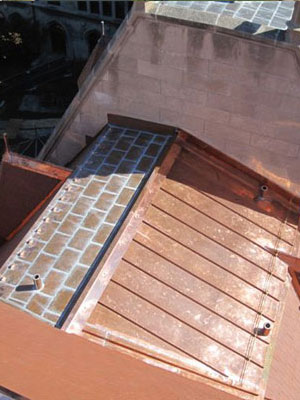
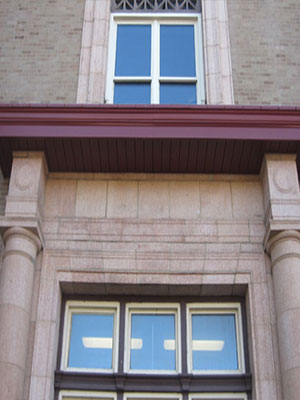
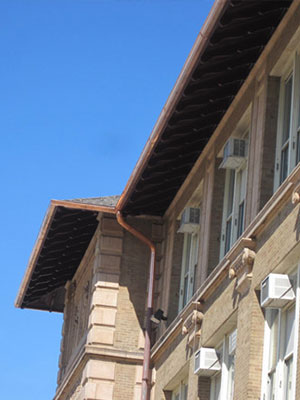
Architectural sheet metal fabrication involves cutting, bending, and assembling metal sheets into structural and decorative components for buildings. These components include cladding, roofing, and ornaments, which are important for a structure’s performance and appearance. Architectural sheet metal offers durability, functionality, and aesthetic appeal to enhance a building’s value and lifespan.
At Knickerbocker Roofing & Paving Co., Inc., our team combines advanced fabrication equipment with decades of craftsmanship to deliver architectural sheet metal solutions and roofing services that meet the highest industry standards. Learn more about our architectural sheet metal fabrication services.
Benefits of Architectural Sheet Metal
Architectural sheet metal has become a cornerstone of modern building design. Its strength, flexibility, and longevity make it a practical choice for architects, contractors, and building owners alike. Unlike traditional materials that may degrade quickly or require frequent upkeep, sheet metal offers a balance of durability and design freedom that supports both functional performance and aesthetic goals.
Here are some of the distinct advantages architectural sheet metal offers that make it a preferred choice for commercial and institutional projects:
- Weather resistance. Sheet metal can withstand heavy rain, snow, wind, and extreme temperatures.
- Corrosion resistance. Materials such as copper and zinc naturally form patinas that improve longevity.
- Long-term performance. Properly installed sheet metal fabrications can last for decades with minimal maintenance or need for replacement.
- Structural integrity. Sheet metal provides excellent strength and rigidity for stable construction.
- Customization. Metal fabrication allows for unique shapes, sizes, and finishes to match design goals.
- Aesthetic versatility. Available in a wide range of colors, profiles, and textures to complement different styles.
- Integration. Metal works seamlessly with other building materials for creative design possibilities.
- Sustainability. Highly recyclable materials like stainless steel and copper reduce environmental impact and conserve resources.
- Energy efficiency. Reflective metal surfaces lower heat absorption and reduce energy use.
- Low maintenance. Requires minimal upkeep compared to alternative materials.
- Lightweight. Compared to other building materials, sheet metal is easier to handle and install.
- Cost-effective. Though initial costs may be higher, architectural sheet metal offers long-term savings thanks to its durability and reduced maintenance.
- Air leak reduction. Sheet metal fabrications can be designed to limit air leaks and improve the building’s energy performance.
- Material efficiency. Precision fabrication minimizes waste, supporting sustainable building practices.
Applications of Architectural Sheet Metal
Architectural sheet metal is among the most versatile materials available in modern construction due to its unique ability to balance strength, longevity, and design flexibility. Its applications extend beyond roofing to nearly every aspect of a building. From structural protection to decorative accents, sheet metal helps architects, builders, and property owners achieve both practical performance and visual impact.
Because it can be fabricated into nearly any shape or profile, architectural sheet metal adapts to most building types, ranging from historic renovations that demand intricate detailing to new construction projects that have sleek, contemporary finishes. This adaptability makes architectural sheet metal a go-to solution for commercial, institutional, retail, and hospitality spaces.
Here are some of its many applications:
- Roofing systems. Sheet metal is widely used for low-slope roofs, standing seam installations, and metal shingles. These options provide durability, weather protection, and energy efficiency.
- Wall cladding. Metal panels enhance a building’s exterior appearance while providing an additional protective layer. Cladding systems are often paired with other materials to create unique facades.
- Fascias and soffits. Fabricated metal fascias and soffits help visually hide roof rafters, protect against weather damage, support proper attic ventilation, and block pests from entering the building through the roof.
- Decorative features. Custom fabrication allows for ornamental details that elevate the architectural character of a project.
Architectural Sheet Metal Fabrication Projects
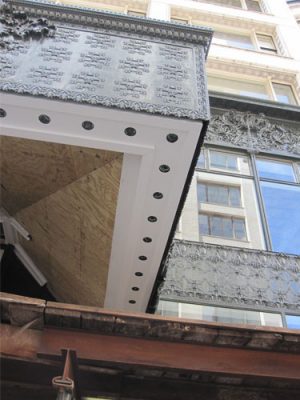
Roof & new custom fabricated metal soffit roof installation for the sullivan center (carson pirie scott bldg)
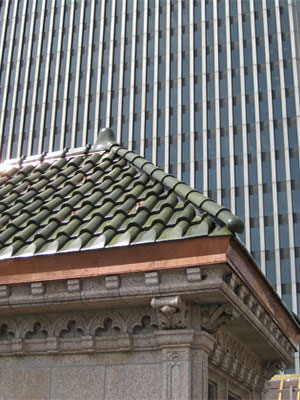
Clay tile roof and copper gutter installation at the historic monroe building
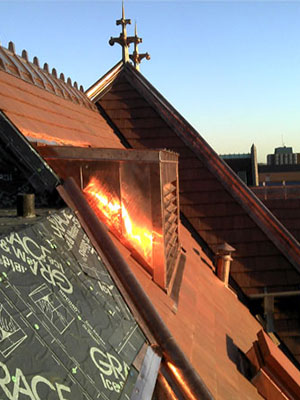
New roof installation at the erman biology building, university of chicago
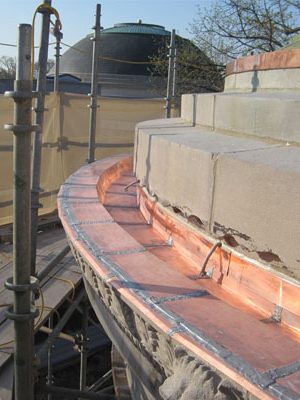
Roof & gutter fabrication & installation at the museum of science and industry
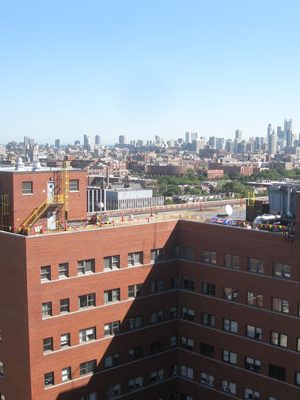
Roof & gutter fabrication & installation at the museum of science and industry
Architectural Sheet Metal Fabrication Capabilities
- General Capabilities
-
Architectural
Ornamental
- Fabrication Process
-
Custom Formed
Bending (Press Brake)
Shearing
SolderWelding
Painting
Plating
Powder Coating
- Automation Capabilities
-
CNC
- Materials
-
Copper
Stainless Steel
Prefinished AluminumSteel
Iron
- Raw Material Forms
-
Sheet
- Gauge Size
-
10 gauge and up
- Sheet Metal Products
-
Copings
Counter Flashing
Gutters
Downspouts
Valley Metal
FasciaSoffits
Vents
Louvers
Skylights
Stairs
Ladders
- Additional Services Provided
-
Field Mockups
Value Engineering
FAQs
Architectural Sheet Metal Fabrication Solutions by Knickerbocker Roofing
A durable, long-lasting roof depends on skillful sheet metal fabrication and installation. At Knickerbocker Roofing & Paving Co., Inc., we provide both. With advanced automated equipment and a fully stocked sheet metal department, we’re prepared to handle even the most complex projects. Whether your project requires custom metal roofs, spires, or decorative detailing, our craftsmanship delivers high-quality results to a variety of industries.
Contact us or request a quote to learn more about our architectural sheet metal fabrication capabilities.